

What’s on
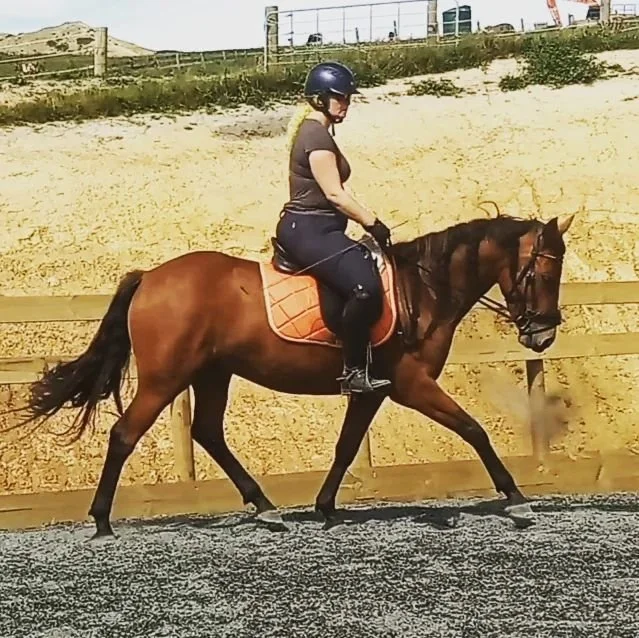
Weekend Breakdown Session: Nail the "A down the centre line" | Group lessons Ohariu
Most riders assume their horse will just... go straight.
Spoiler: they won't.
The centre line is one of the most revealing movements in dressage, not because it's technically complicated, but because it makes crookedness impossible to hide. If your horse drifts, rushes, or suddenly finds reverse gear somewhere between A and X, that's not a steering problem or a speed problem. That's usually a straightness problem, and that often starts well before you turn down the centre line.
In this session we're breaking it right down:
how to actually ride a straight line,
how to feel when you've lost it (before the judge does),
and why your horse's tempo changes are telling you something important about straightness.
You'll leave with a clearer picture of what's going wrong, why, and a handful of exercises you can take straight back to your arena.
4 July | 299 Takarau Gorge Road | $55 + $10 arena fee
Email me to book: susan@equineeq.co.nz
Suitable for teenagers, adult amateur and dressage enthusiasts riding at any level.
Online | Why Does My Horse Do That? The science behind cribbing, weaving and other stereotypies + how to manage them
If your horse cribs, weaves, or box walks, you already know how distressing it can be to watch — and how confusing it is to find reliable answers online. This 1-hour online webinar cuts through the myths and gets straight to the science.
We'll cover:
What stereotypies actually are (and what they aren't)
Why the horse's brain develops these coping mechanisms
What's happening neurologically in horses who show these behaviours
What these behaviours tell us about a horse's environment
What you can actually do to help — practical, evidence-based management strategies that support your horse's wellbeing without the guesswork
What Makes This Different
This isn't forum advice or recycled training tips. This session is hosted by Susan Nienaber, an equine scientist and behaviourist with an MSc in Equine Science and 30 years of global industry experience — including time managing the Australian Equine Behaviour Centre.
You'll leave with real scientific insight and a clearer picture of your horse, for the price of a couple of coffees.
Good to Know
🎥 Can't make it live? No problem. All registered ticket holders receive a recording link to watch back anytime.
💬 Got questions? There'll be dedicated Q&A time at the end so you can ask about your specific horse and situation.
Why Does My Horse Do That? is an ongoing webinar series where we deep-dive into the science behind the things horses do — the quirky, the confusing, and the endlessly fascinating. Sessions run regularly, for the price of a couple of coffees.
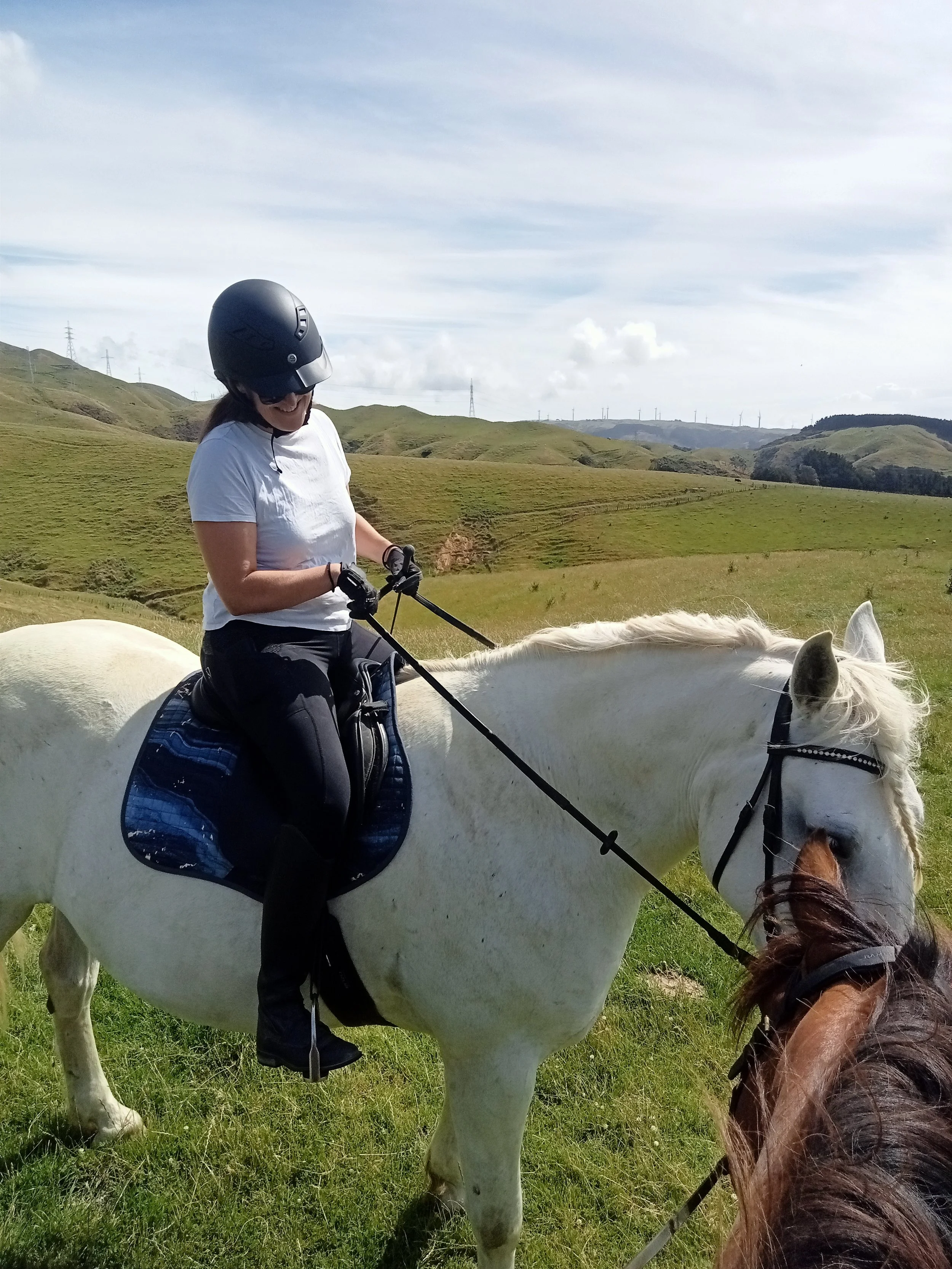
Weekend Breakdown: Riding Corners — The most wasted movement in dressage | Group lessons Ohariu
Every single test starts with one. You ride dozens of them every schooling session. And most riders treat them as dead space — somewhere to reorganise, catch a breath, or think about what comes next.
That's a lot of wasted real estate.
The corner is one of the most powerful tools in your training session — a mini shoulder-in, a balance check, a half-halt in disguise. Ridden well, your horse comes out of every corner more balanced, more through, and more prepared for whatever follows. Ridden badly — or barely at all — you're just losing energy and losing marks.
In this session we're breaking down what a well-ridden corner actually requires, why most horses fall out through the outside shoulder (and what to do about it), and how to use your corners to actively improve your work rather than just survive them.
You'll leave with a simple framework you can apply to every corner of every schooling session, and probably wonder why nobody made this a bigger deal sooner.
Sat 12 July | TBC | $55 + arena fee
Text me to grab your spot 020 415 99 111
Weekend Breakdowns are small group lessons for local riders who just enjoy riding and want to do more of it. Each session picks one topic and digs into it properly — the kind of thing that makes your next solo schooling session suddenly make a lot more sense. Bring a horse who's mostly civilised and ready to work.

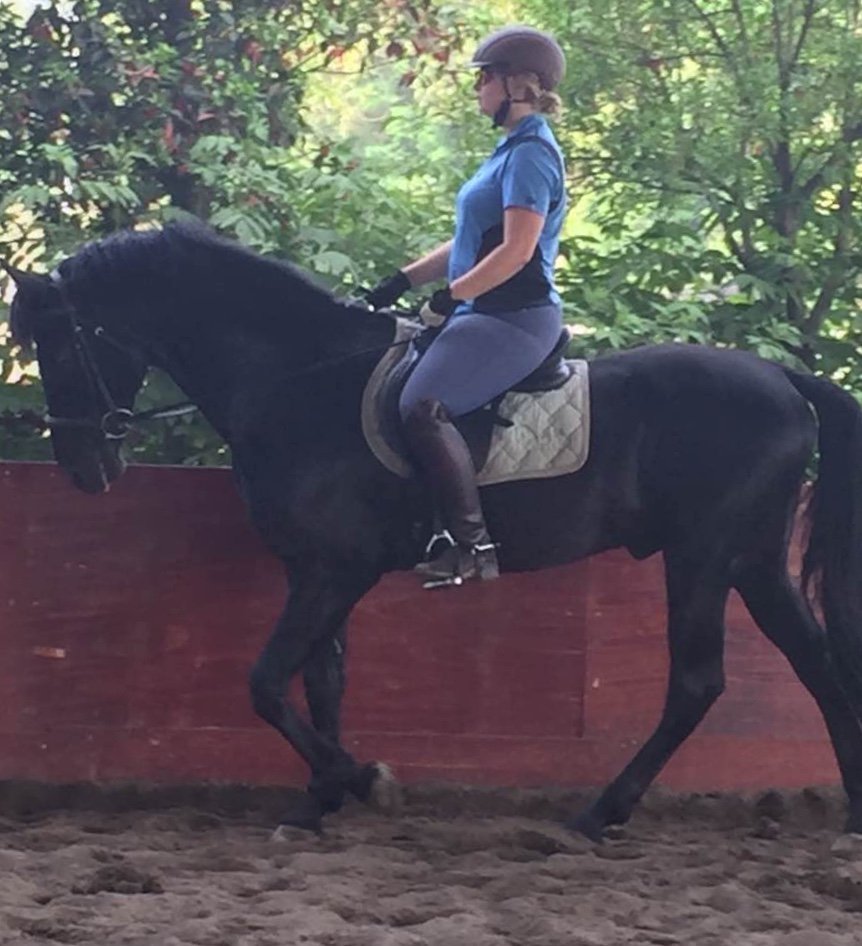
Weekend Breakdown: Nailing your 20m circle — It's not as round as you think | Group lessons Ohariu
Ask any dressage rider if they can ride a 20m circle and they'll say yes. Ask a judge and you might get a different answer.
But before we talk about geometry — which yes, we will — it's worth asking a more fundamental question:
does your horse actually know how to bend?
Not lean, not drift, not follow the curve because the arena wall ran out. Actually bend, with his hindquarters following the track of his front end, in response to what you're asking?
Because if that's not in place, no amount of looking at your point on the arena wall will give you a round circle. You'll just be steering a horse who's working out the shape for himself.
In this session we're starting with what bend actually requires — what your horse needs to understand, and how you'd know if he does — and then building that into an actual 20m circle that goes where you intend it to go.
You'll leave knowing what you're actually trying to achieve, and with a clearer picture of where the gaps are.
Sun 19 July | Ohariu Valley - Exact location TBC | $55pp + arena fee
Text Susan to book you spot 020 415 99 111
Weekend Breakdowns are small group lessons for local riders who just enjoy riding and want to do more of it. Each session picks one topic and digs into it properly — the kind of thing that makes your next solo schooling session suddenly make a lot more sense. Bring a horse who's mostly civilised and ready to work.
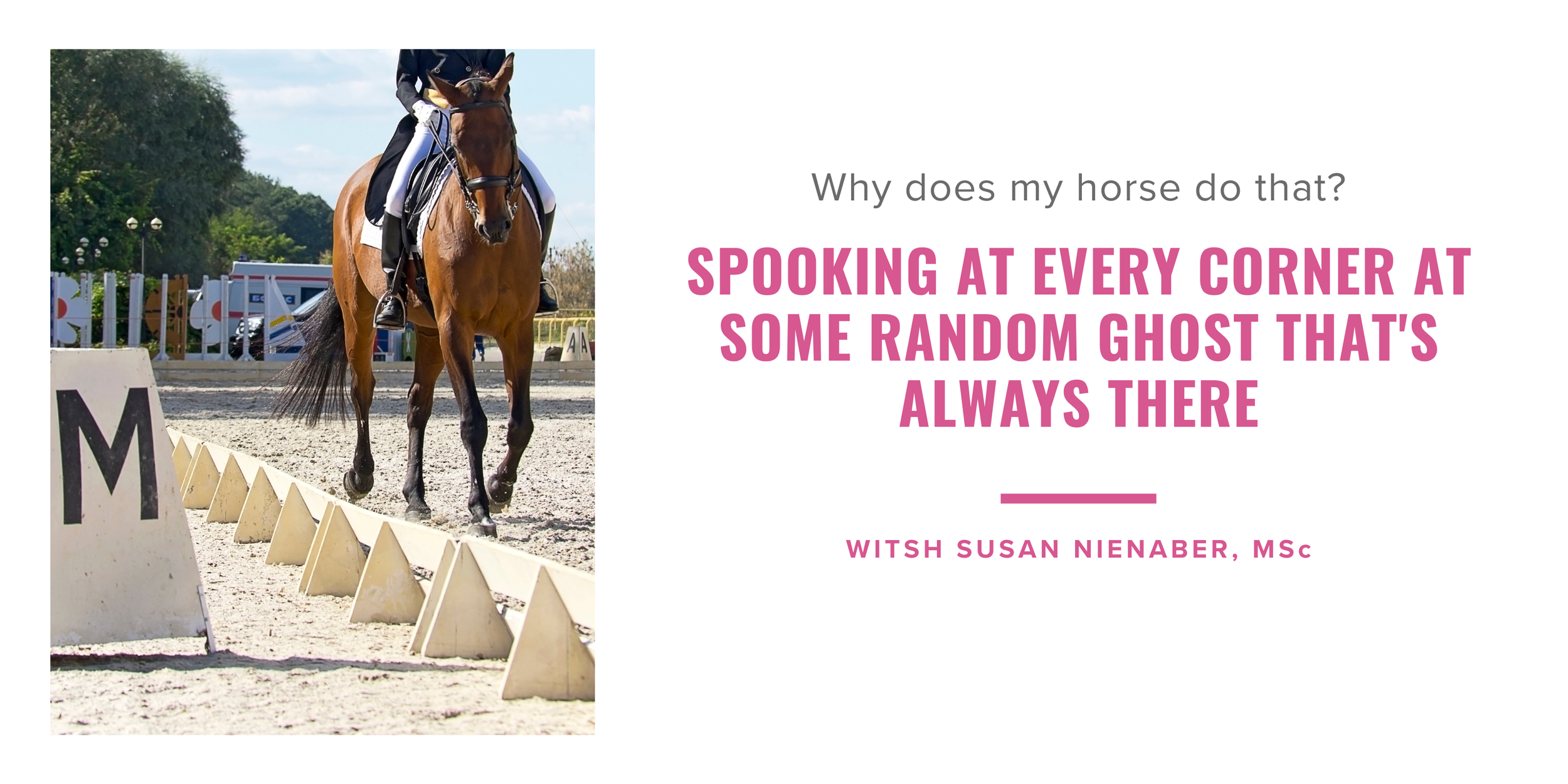
Online | Why Does My Horse Do That? Spooking at every corner at some random ghost that's always there
Your horse has walked past that fence post 400 times. Today it's apparently going to kill him.
Spooking is one of the most frustrating — and most misunderstood — things horses do. It gets written off as naughtiness, drama, or "just being green." But spooking is a neurological event, and understanding what's actually happening in your horse's brain changes everything about how you respond to it.
We'll cover:
What's actually happening in the brain when a horse spooks
Why some horses are more reactive than others — and what drives that
The difference between a genuine fear response and a learned or habitual spook
Why "just riding through it" often makes things worse
What actually helps — evidence-based strategies for building genuine confidence
This isn't "ride forward and leg on" kind of advice. This session is hosted by Susan Nienaber, an equine scientist and behaviourist with an MSc in Equine Science and 30 years of global industry experience — including time managing the Australian Equine Behaviour Centre. You'll leave with real scientific insight and a clearer picture of your horse, for the price of a couple of coffees.
Good to Know
🎥 Can't make it live? No problem. All registered ticket holders receive a recording link to watch back anytime.
💬 Got questions? There'll be dedicated Q&A time at the end so you can ask about your specific horse and situation.
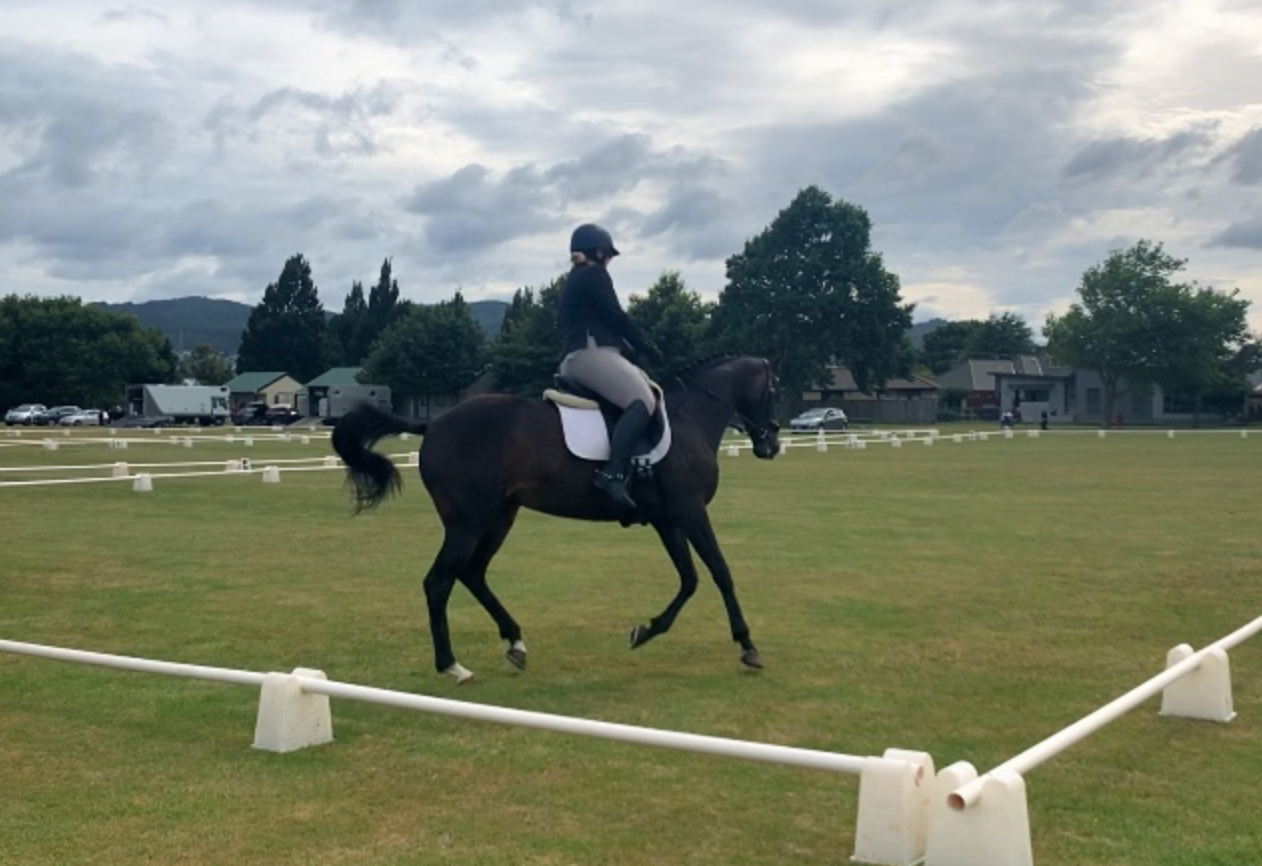
Weekend Breakdown: Transitions at the Letter — Not after, not before, at | Group Lessons Ohariu
Here's an uncomfortable truth: most transitions happen somewhere in the vague vicinity of the letter. And most of the time, we blame the horse.
But a late transition, a scrambled transition, a transition that sort of happens and sort of doesn't — those aren't attitude problems. They're communication problems. Either the horse doesn't have a reliable response to your go or stop cue, or the timing of the ask is off, or both. Which means riding him harder at the letter isn't going to fix it.
The good news is that when transitions are built properly — when the horse has a clear, consistent response to a light cue, and you know when and how to apply it — accurate transitions start feeling almost effortless. Not because you're asking more, but because you're asking clearly.
In this session we're looking at what actually needs to be in place for a transition to land where you want it — and what to do when it doesn't.
You'll leave with better timing, cleaner transitions, and a much more useful way of thinking about what preparation actually means.
Sat 25 July | Ohariu Valley exact location tbc | $55pp + arena fee
To grab your spot text Susan 020 415 99 111
Weekend Breakdowns are small group lessons for local riders who just enjoy riding and want to do more of it. Each session picks one topic and digs into it properly — the kind of thing that makes your next solo schooling session suddenly make a lot more sense. Bring a horse who's mostly civilised and ready to work.

Ask Anything
Got a burning question?
Ask anything is our monthly question hour.
This is you chance to ask Susan anything you want. Topics can include (but are not limited to)
horse training
horse behaviour
paddock management
general horse management
horse nutrition
your own mindset
rider fitness
insert your topic here
RSVP here
or join us through this link

Horses, Horses, Horses: Spooky horse?
Horses, Horses, Horses is our monthly horse training seminar. Here you will learn about all things horses, from deeply understanding horse behaviour to how to create a management system your horse will love.
This month’s subject: Spooky Horse?
Horses are flight animals, so spooking is technically something normal. But what if your horse is excessively spooky. In this month’s Horses, Horses, Horses session we will look into what could cause a horse to be more spooky then is considered normal, and you will gain some practical tools you can use straight away to help your horse go from spooky to confident.
RSVP here
or join us through this link.
It’s all about confidence: Squash your inner critic
“It’s all about confidence” is our monthly confidence coaching session where you will learn active tools to help you become as confident as you can be.
This month’s theme: Squash your inner critic
You will learn how you can transform your inner critic into your inner cheerleader, with practical tools you can use everyday!

Monthly Reset
Join us for the monthly reset on the first Monday of the month. Share how things have been going, and create an action plan for the month ahead, so you can ride into the new moth with confidence.
RSVP here
or join us through this link